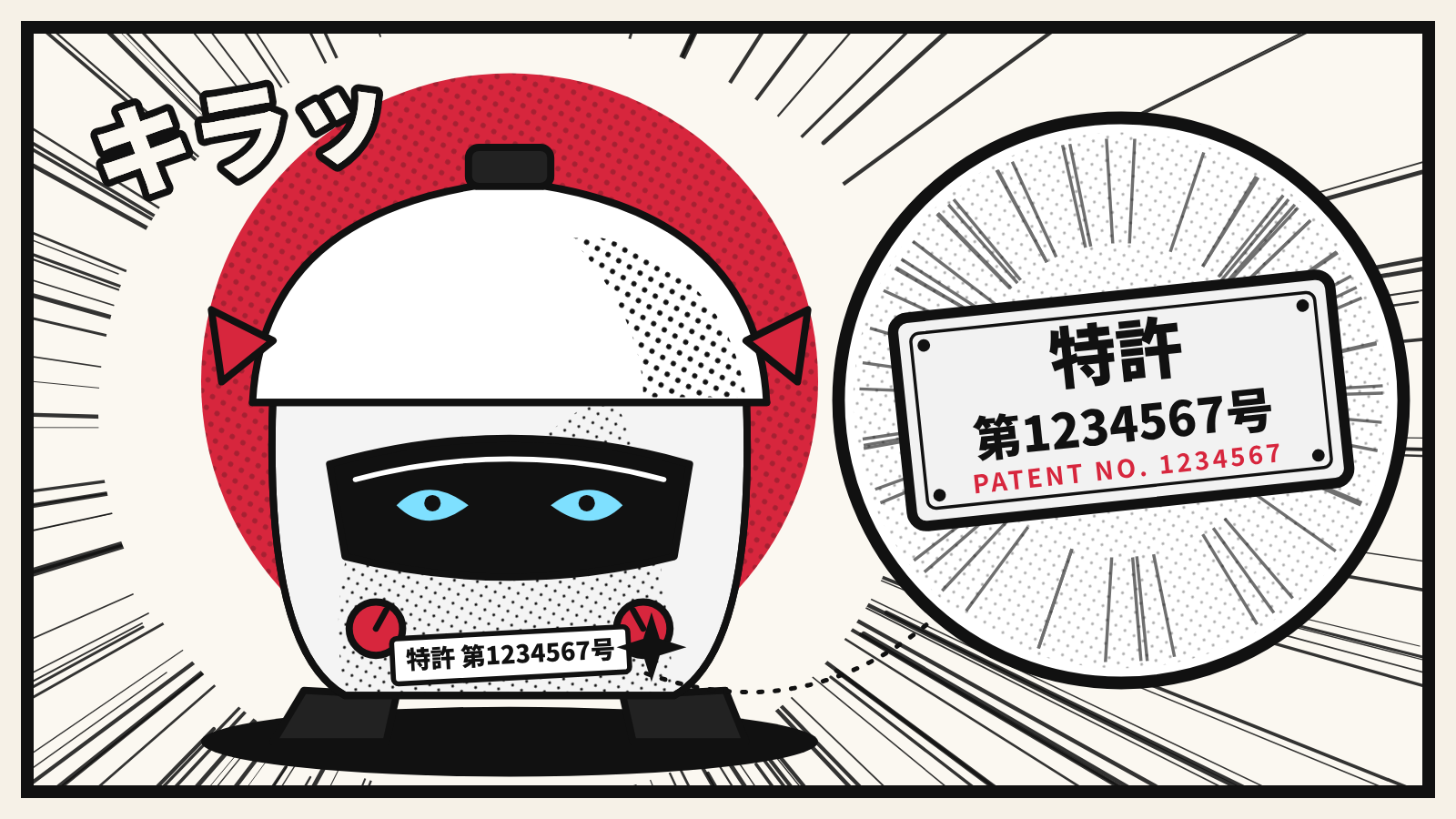


When "Famous" Isn't Famous Enough: The Tale of Pon-chan
In Japan, everything has its own promotional mascot—sports teams, local governments, businesses, castles, even local utilities. But can a beloved regional mascot block a Japanese trademark registration? Not necessarily!
Meet
Pon-chan (ぽんちゃん), the erstwhile tanuki (raccoon dog) mascot of
Tatebayashi City, Gunma Prefecture, created in 2010 to promote the city and its famous azaleas. Pon-chan appeared everywhere locally—on manhole covers, public installations, tourism materials, and even in a national TV commercial.

Crucially, however, Tatebayashi City never thought to register Pon-chan (ぽんちゃん) as a trademark. So an individual applicant took the opportunity to file the same "ぽんちゃん" word mark in Japanese Hiragana in Classes 9 and 16.
The Japanese Patent Office (JPO) originally refused the application under
Article 4(1)(vi) of the Japanese Trademark Act, which protects well-known marks used by non-profit public-interest organisations – like Tatebayashi City.
“No trademark may be registered if the trademark is identical with, or similar to, a well-known mark indicating a national government, a local government, an agency thereof, a non-profit organisation undertaking business for public interest, or a non-profit enterprise undertaking business for public interest.”
— Article 4(1)(vi) of the Japanese Trademark Act.
So, seemingly a happy ending for Pon-chan and his friends…
However, the individual applicant appealed to the Japanese Intellectual Property High Court, which overturned the JPO’s original decision! In its
March 12, 2025 decision (Reiwa 6 (Gyo-Ke) No. 10090), the court clarified that while a public mark does not need to be
“well-known” nationwide, it must still be widely recognized across a
"reasonably substantial geographical area" relative to its organization. While Pon-chan may have been a household name inside Tatebayashi City (80,000 residents), his recognition failed to cross that threshold into Gunma Prefecture (1.97 million) or neighbouring regions.
But you can’t keep a good mascot down for long. In 2026, Tatebayashi City renamed its character
“Tatepon” (たてポン)—the exact same lovable tanuki mascot, but with a cute new name.
And the city clearly learned its lesson! Tatebayashi City registered the
“Tatepon” (たてポン) standard word mark in 5 service classes in January 2026 and applied for
“Tatepon” (たてポン) in 9 goods classes in June 2026 at the JPO.
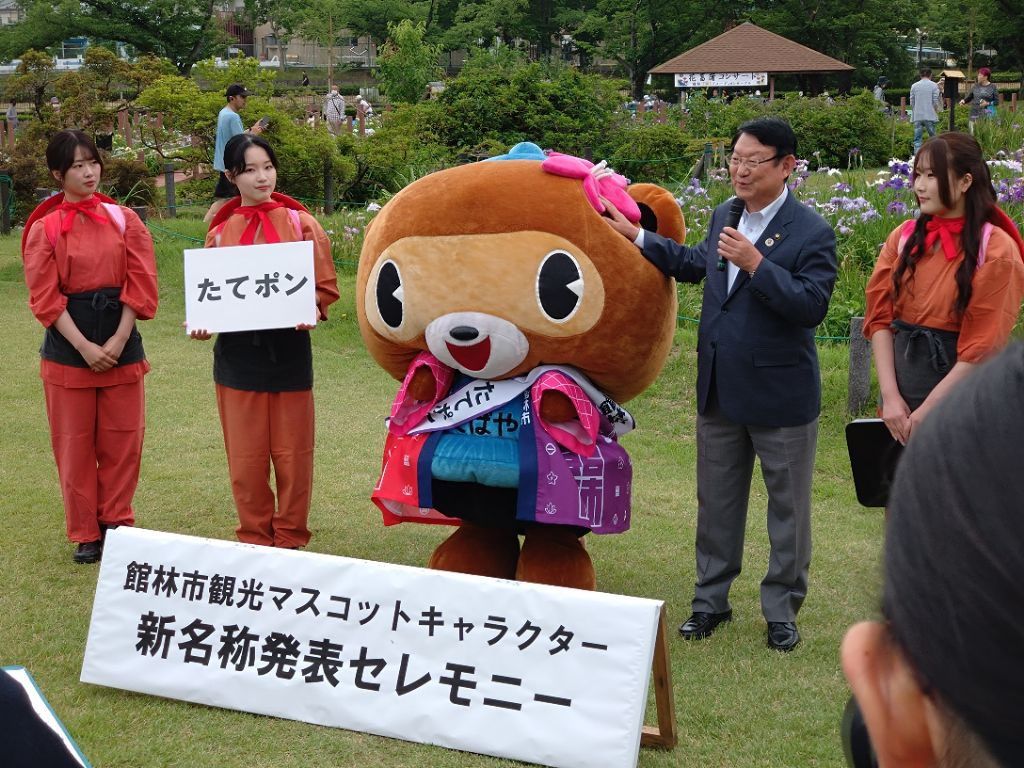
The moral of the story? Being famous in your hometown is not necessarily enough to be considered “well-known” according to Japanese trademark law. You may have to change your name.
International brand owners protecting unregistered marks in Japan
On a related note, for international IP firms and brand owners, establishing that a mark unregistered in Japan is “well-known” can also require substantial evidence. For instance,
Article 4(1)(xix)
of the Japanese Trademark Act prohibits the registration of a mark that is identical or similar to a mark that is
well-known among consumers in Japan
or abroad where the application is made for an unfair purpose.
This can be useful for foreign brand owners who discover that a third party has filed an identical or similar mark in Japan. In practice, however, proving that a mark is well-known in a foreign country often requires a level of evidence beyond what many brand owners can readily provide.
References
We offer discounted services for many first-time clients and seamless onboarding for companies transitioning their Japanese IP matters to our firm.